Mold after a leak
Burst pipe, leak or flooding? Call and we'll connect you with a local water damage pro.
Call (772) 555-0101Main Street Water Damage is a free referral service. We connect you with independent local service providers. We don't do the work ourselves.
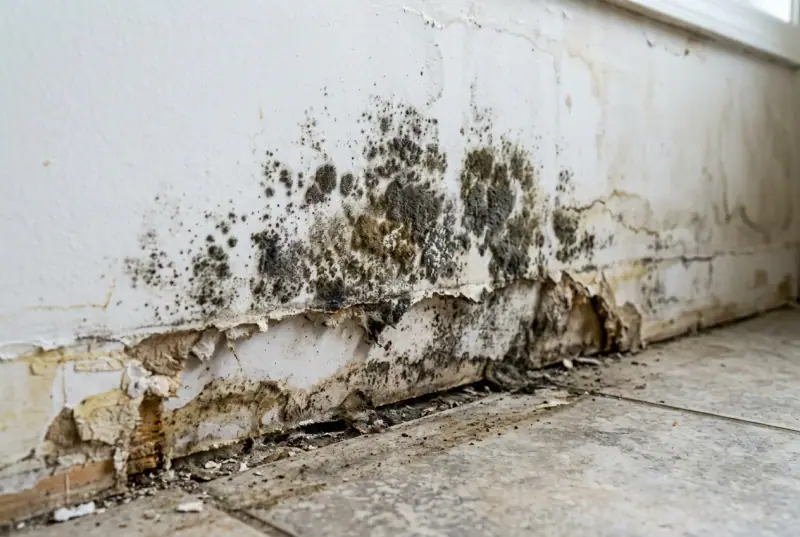
Mold can show up as spots or fuzzy patches on a wall, ceiling or floor that got wet. Sometimes it is only a musty smell that stays after the leak is fixed.
Why it happens
Mold needs moisture. The EPA advises drying water-damaged areas and items within 24 to 48 hours to prevent mold growth. Water that soaks into carpet, drywall or ceiling tiles can stay there out of sight. The EPA notes that absorbent materials such as ceiling tiles and carpet may have to be thrown away if they become moldy.
What to do now
- Fix the leak first. The EPA says to fix plumbing leaks and other water problems as soon as possible and dry everything completely.
- Keep sensitive people away. The CDC says people with asthma or a mold allergy may have severe reactions. People with weak immune systems or chronic lung disease can get lung infections from mold.
- Skip the mold test. The CDC does not recommend testing. Whatever type of mold it is, it needs to be removed.
What not to do
- Don't paint or caulk over mold. The EPA says paint on a moldy surface is likely to peel.
- Don't run the heating and cooling system if you think mold is in it. The EPA warns it could spread mold through the building.
- Don't mix bleach with ammonia or other cleaners. The CDC says this makes a poisonous gas.
Small patch or large area
If the mold covers less than about 10 square feet, roughly a 3 by 3 foot patch, the EPA says you can usually clean it yourself. Scrub hard surfaces with detergent and water, then dry them completely. The EPA advises an N-95 respirator, gloves and goggles without vent holes.
If the mold covers more than that, or you think it is in the heating and cooling system, do not clean it yourself. Call a provider. The EPA suggests experienced contractors who follow standards such as those from the IICRC.
What a provider does
A provider finds where the moisture came from, removes materials that cannot be saved and dries the area so the mold does not return. Ask what standards the work follows, and ask for a written scope before it starts.
What happens when you call
- You call the number on this page. A short automated assistant asks two or three questions, such as what's wrong and your ZIP code, so we can find the right provider.
- We connect your call to an independent water damage provider who serves your area.
- You talk with the provider directly about the problem, timing and price before any work starts.
Main Street Water Damage doesn't charge you for the referral. The provider sets their own prices and does the work. Calls are recorded for quality and billing.